

Biosurfactant
In the global trend toward green and low-carbon development, biosurfactants, with their outstanding properties, have become an inevitable choice to replace traditional chemical surfactants. Derived from nature and returning to nature, they boast 100% natural biodegradability and versatile high-performance applications, serving as a crucial bridge connecting modern industry with sustainable development.
Pallas, as a promoter of this green technology, has translated the concept of "bio-based replacing petroleum-based" into practice through advanced precision fermentation technology. Our products not only exhibit efficient cleaning, emulsifying, and solubilizing capabilities but also degrade rapidly in nature without environmental residues, truly embodying the green cycle of "Originating from technology, returning to nature."
This is more than just a product upgrade; it is a solemn commitment to the future of our planet. Pallas biosurfactants are laying a solid foundation for reducing carbon footprints, protecting marine ecosystems and water resources, and advancing the circular economy. Let us join hands to create a clean, green, and sustainable tomorrow with the power of nature.
-

Fermented Rhamnolipids BRL-200/300/400
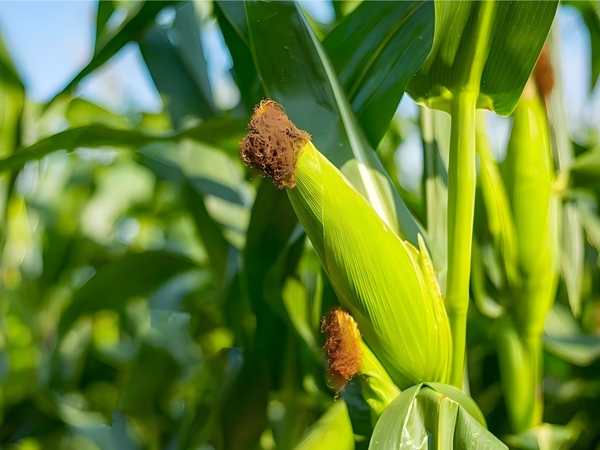
Rhamnolipids are a type of biosurfactant synthesized by microorganisms through the action of various enzymes in their cells, and mainly used in the fields of environmental remediation, daily chemical products, cosmetics, medicine, and agriculture. They have excellent surface activity and environmentally friendly properties.The study of rhamnolipid has solved the environmental burden of traditional surfactants, and its technological breakthrough and industrialization process are of great significance to achieve the goal of carbon neutrality and promote circular economy. PALLAS produces rhamnolipid by microbial fermentation, using renewable agricultural feedstocks such as corn and cassava as carbon sources. This method ensures stable production, avoids seasonal dependency on upstream/downstream supply chains, and has strong potential for cost reduction and efficiency improvement. -
Fermented Sophorolipid
Fermented Sophorolipid, a natural biosurfactant, is produced through microbial fermentation. It is primarily synthesized by yeast strains, particularly Candida species, under specific culture conditions using sugars and vegetable oils as substrates. Unlike chemically synthesized surfactants, sophorolipids are microbial secondary metabolites characterized by biodegradability, low toxicity, excellent surface activity, and a broad spectrum of biomedical properties. Recognized as a "green" surfactant, they hold promising application prospects in cosmetics, pharmaceuticals, environmental protection, and agriculture.


 ChatNow